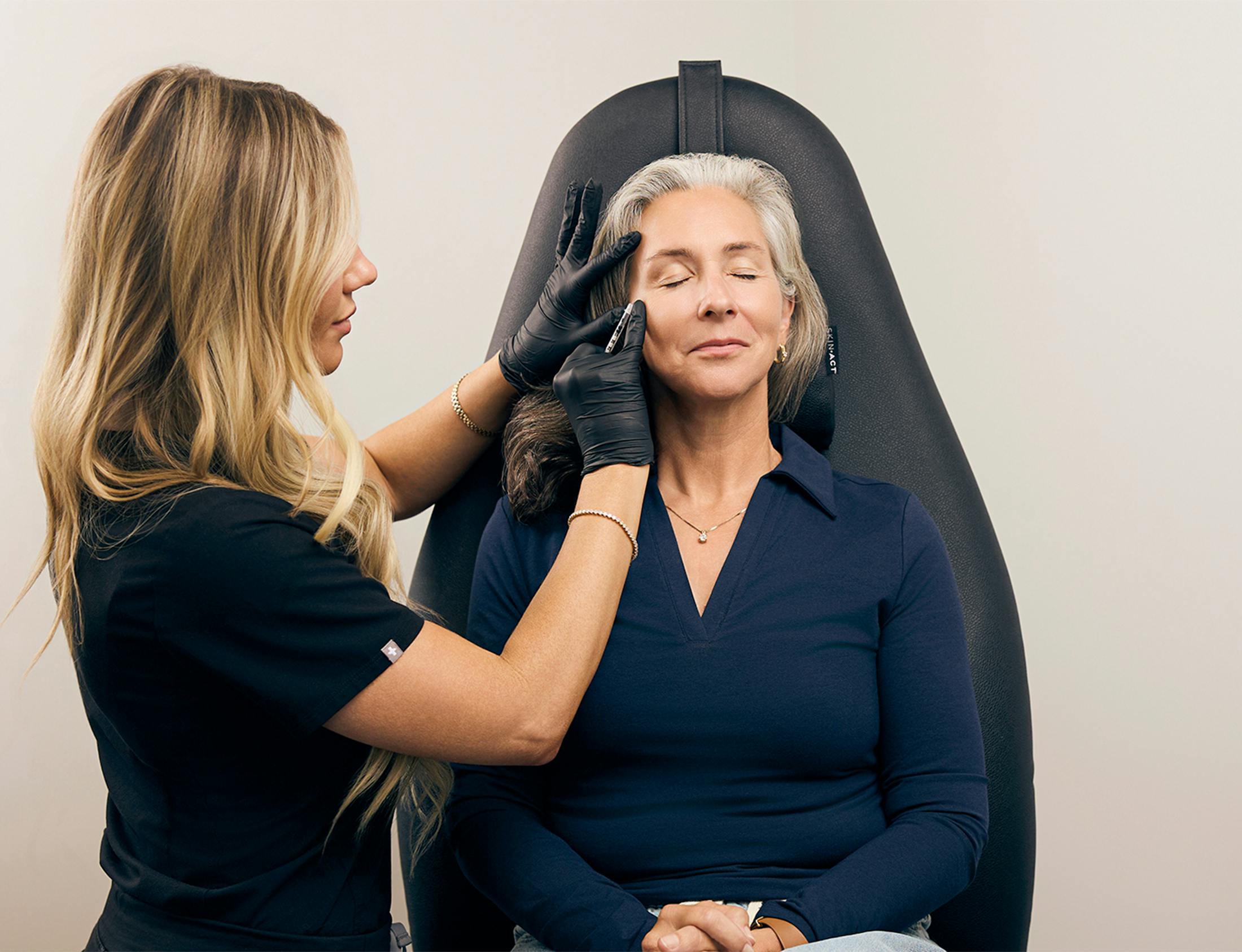
Cheek Filler: Rebuilding the Foundation of the Face

Cheek volume loss is one of the earliest and most influential changes a face goes through. As fat and bone diminish in this area over time, the effects ripple outward: cheeks flatten, the under-eye area hollows further, and the whole mid-face begins to look tired or deflated, even when nothing else has changed. Cheek filler restores that lost structure, lifting and defining the cheekbones while providing support to everything around them.

At Revive Aesthetics, cheek filler is rarely treated as an isolated concern. Because the cheeks function as a kind of scaffolding for the mid-face, restoring volume here often improves areas patients didn't even realize were connected, from under-eye shadowing to jawline definition. Ask your provider how restoring cheek volume might improve areas beyond the cheeks themselves.

What Is Cheek Filler?

Cheek filler uses hyaluronic acid to restore volume, lift, and definition to the mid-face. Rather than simply adding fullness, well-placed cheek filler recreates the structural support that fat and bone once provided, improving the cheek's dimension, symmetry, and projection.

Because the cheeks sit at the center of the face, changes here tend to have an outsized effect on overall appearance compared to smaller, more isolated areas.

Banner media
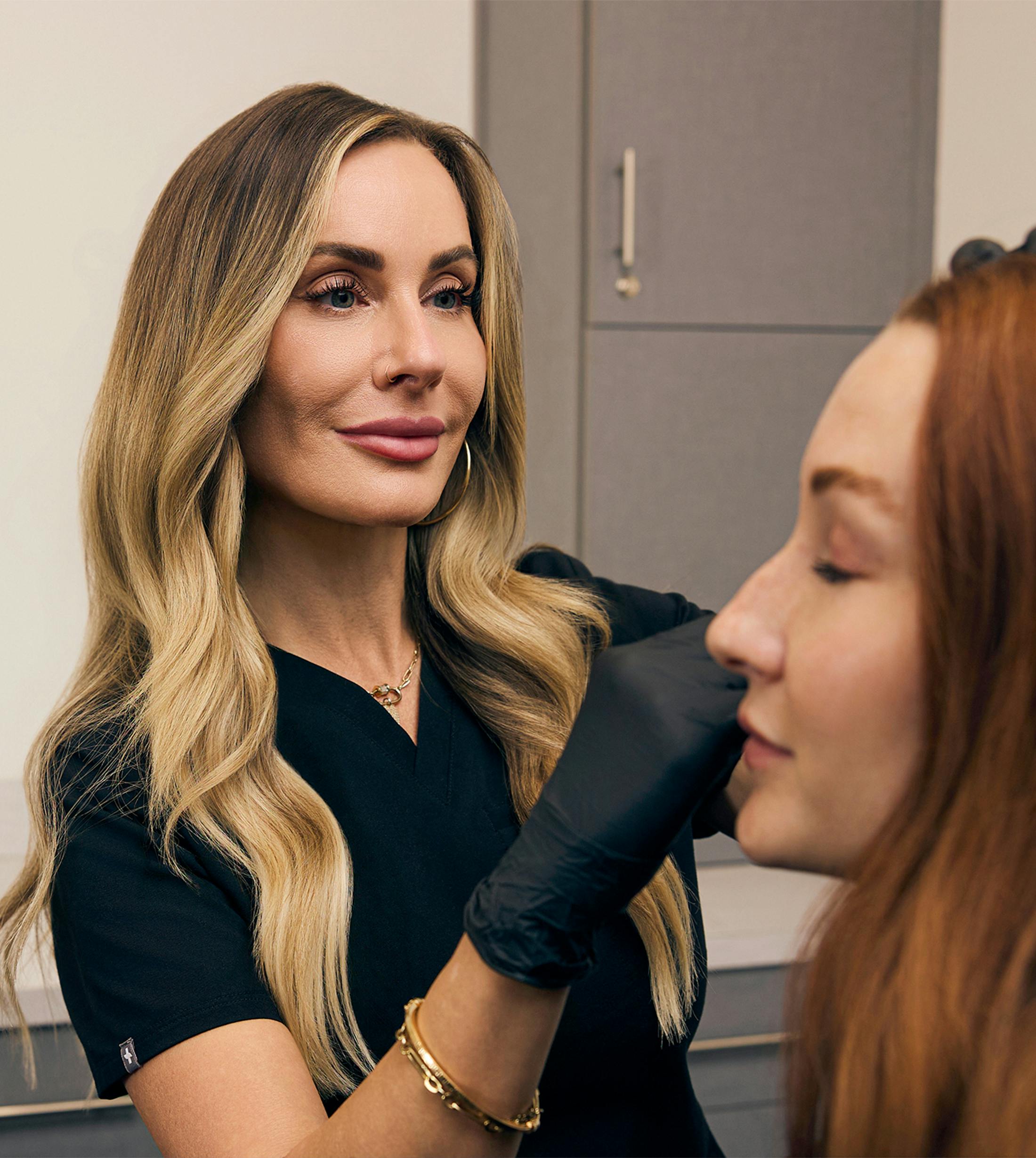
provider giving a patient filler

Why Cheek Volume Loss Happens

Volume loss in the cheeks typically begins earlier than most people expect. Fat starts to diminish in this area as early as your thirties, leading to a flatter, less full appearance even in patients who otherwise look youthful. Bone density changes that begin in your forties compound this further, creating a sunken or hollowed look as structural support continues to decline.

The combined effect shows up gradually: cheeks that once had natural roundness begin to flatten, shadows deepen beneath the eyes, and the lower face can start to look heavier as the mid-face loses its lift.

Today was my first HydraFacial. Emily was great!!!! She took her time and explained everything to me. I can’t wait for my next appointment!!

— Krissi

Quote media

Benefits of Cheek Filler

Because the cheeks provide structural support to so much of the surrounding face, restoring volume here tends to create benefits well beyond the treated area itself.

  • Restores natural roundness and lift to flattened or hollowed cheeks
  • Improves cheekbone definition and facial symmetry
  • Provides structural support that can soften under-eye shadowing
  • Refreshes the overall appearance of the mid-face
  • Delivers visible results immediately after treatment
  • Requires minimal downtime for most patients

Schedule a Consultation

Contact Us
Contact us media

Are You a Good Candidate for Cheek Filler?

Cheek filler works well for patients noticing flattening, hollowing, or a loss of definition in the mid-face, whether that change is just beginning or has been developing for years. It's a popular choice both for patients specifically wanting more cheekbone projection and for those addressing broader signs of facial aging.

Good candidates are in good health and have realistic expectations about the kind of lift and volume filler can provide. During your consultation, your provider will assess your cheek structure and surrounding areas, since cheek volume loss is often connected to other concerns like under-eye hollowing or jawline softening.

Recovery and Results Following Cheek Filler

Cheek filler typically involves minimal downtime. Mild swelling, tenderness, or bruising at injection sites is common for a few days afterward, and most patients return to normal activities the same day or the next.

Results are visible immediately, though final results settle in over one to two weeks as any initial swelling resolves. Depending on the product used, cheek filler results typically last nine months to two years before a touch-up is needed.

Banner media

Why Choose Revive Aesthetics?

Our injectors understand the cheeks as structural support for the entire mid-face, not just an isolated area to fill. With top-tier partner status among leading injectable manufacturers, we bring the precision and artistry needed to restore volume in a way that lifts, defines, and supports the face as a whole.

Cheek Filler Frequently Asked Questions

Can cheek filler help with under-eye hollowing too?

Often, yes. Because the cheeks provide structural support beneath the eyes, restoring cheek volume can soften some under-eye shadowing on its own, and is sometimes recommended instead of or alongside dedicated under-eye filler.

Will cheek filler make my face look wider or heavier?

Not when it's placed correctly. Skilled cheek filler placement lifts and defines rather than adding bulk, focusing on the upper cheek to create a lifted appearance instead of a fuller, heavier one.

At what age should someone consider cheek filler?

There's no single right age. Some patients begin noticing early volume loss in their thirties, while others don't consider treatment until their forties or fifties. Your provider can help you determine whether now is the right time based on your specific concerns.

How much filler will I need for noticeable results?

The amount varies significantly based on how much volume has been lost and your desired outcome. Your provider will recommend a specific plan during your consultation rather than a standard amount applied to every patient.

Can cheek filler be combined with Botox or other treatments?

Yes, and it often is. Cheek filler addresses volume loss, while treatments like Botox or Sculptra can address other concerns like muscle movement or gradual collagen loss, often as part of the same overall facial balancing plan.

How long will my results last?

Most patients see cheek filler results lasting nine months to two years, depending on the specific product used and individual metabolism. Your provider can help you plan a maintenance schedule that fits your goals.

Accessibility: If you are vision-impaired or have some other impairment covered by the Americans with Disabilities Act or a similar law, and you wish to discuss potential accommodations related to using this website, please contact our Accessibility Manager at (423) 545-4770.
Contact Us